
Understanding Paint Finishes
Learn how the right paint in interior design can brighten rooms, improve durability, and help your home feel cozier through a wet Oregon winter.
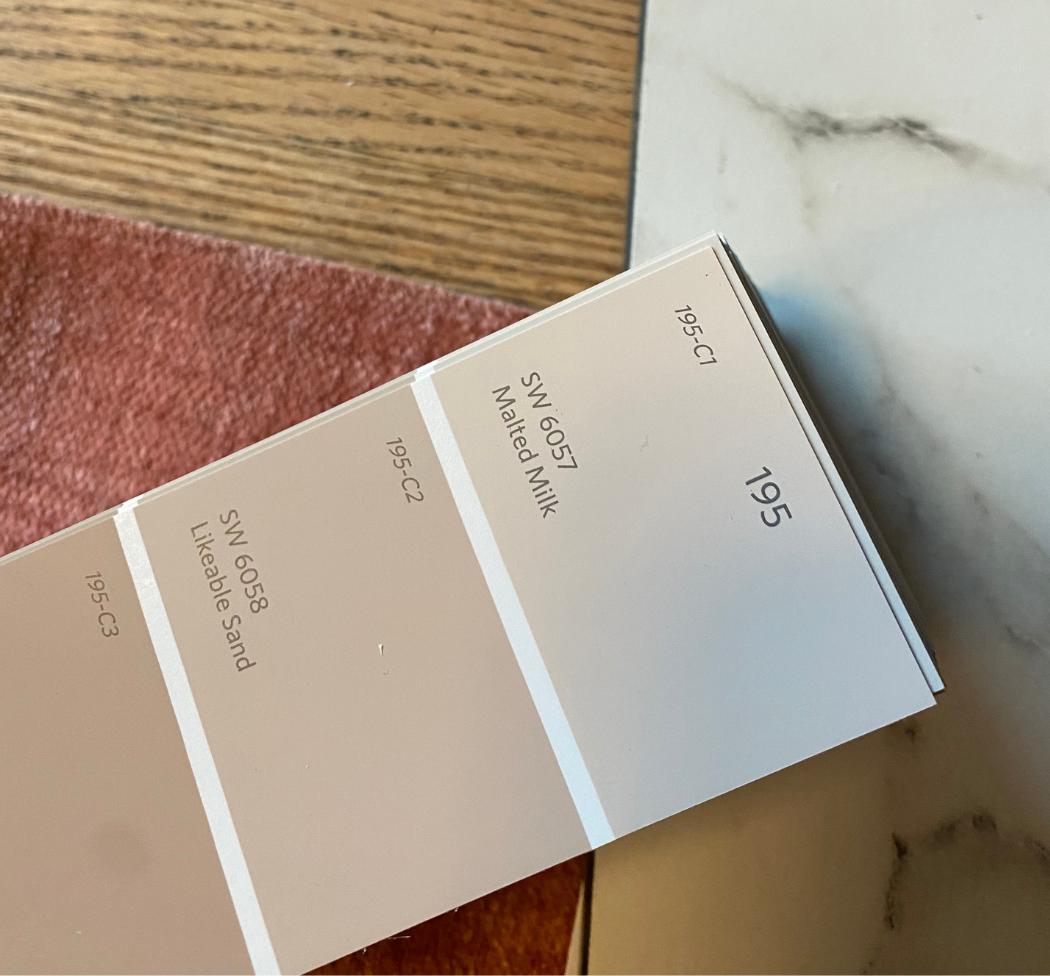
Choosing a paint color using a color fan from Sherwin Williams
In Oregon, winter means shorter days, more time inside, and long stretches of gray skies and heavy rain. When we’re spending more time at home, how a space feels starts to matter more. One of the simplest ways to change that feeling is with paint. We’re all used to the idea that color can change mood. But paint in interior design isn’t just about color.
Different paint finishes affect how light reflects around a room, how the walls feel to the eye, and how durable the surfaces are against mess or moisture. Choosing the right one this time of year makes a big difference.
At Rory Everitt Design, paint often fits into a broader conversation about windows and lighting, with guidance on color usage, privacy, and light control to support both beauty and well-being in each room. The finish you choose can shift the look of a space and how it holds up through a darker, wetter season in the Willamette Valley.
What Paint Finish Actually Means
The term paint finish refers to the reflective property of a paint. Put simply, a paint finish is how shiny or dull the paint looks once it has dried. It can range from very matte (which reflects little to no light) to high gloss (which reflects a lot and has a wet look).
While individual paint manufacturers may use different words, almost all will have offerings that match the following 6 groupings:
Flat: zero shine, often used on ceilings
Matte: slight shine, soft and velvety, often used on walls in contemporary interiors
Eggshell: a slight sheen, similar to the shell of an egg
Satin: a smooth, soft shine that works for many surfaces
Semi-gloss: more reflective, often used on trim or in areas with moisture
High gloss: very shiny, used when for items you want to be eye-catching in the design
Each of these finishes interacts with light and the environment in different ways. In the low-light months of winter, that difference can really stand out. Matte finishes soak up light, which makes a room feel softer and cozier. Glossy finishes bounce light around, which can help brighten up darker spaces. Both have their benefits depending on the room and what you want the space to feel like.
How Paint Finish Affects Style Choices
There are always exceptions to the rule, but generally
Styles that lean more traditional will shift up towards shinier finishes.
Styles that lean more contemporary will shift down to less reflective finishes.
Choosing the Right Finish for Different Wall Textures
In the Willamette Valley, many of the homes built in the 2nd half of the last century leaned into heavy application of drywall texture. We especially see lot of popcorn and orange peel textures on walls and ceilings.
Shinier finishes amplify the textures and imperfections; duller finishes blend textures into a more-harmonious look. So if you really like your wall texture and don’t mind highlighting it, then go for Eggshell or even Semi-gloss. If you instead wish to downplay the texture, then Matte is a great choice.
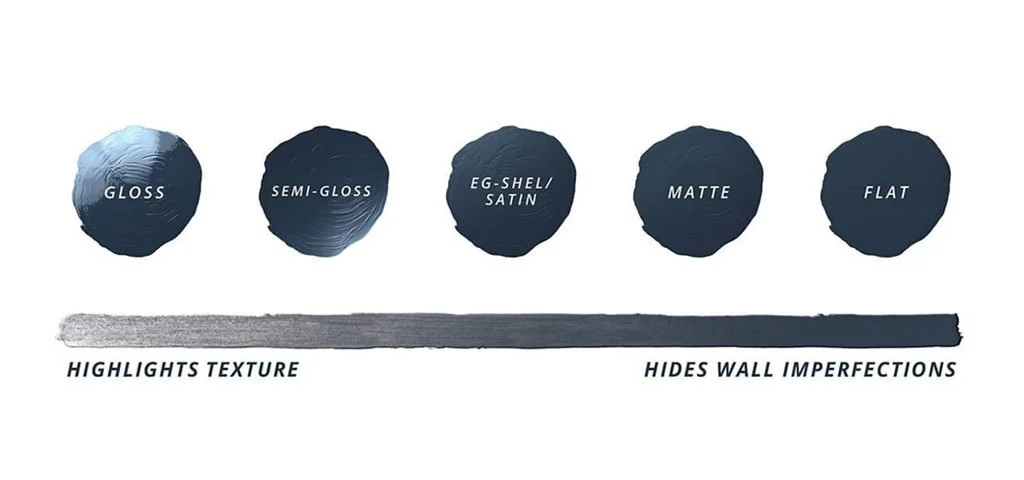
Graphic is courtesy of Sherwin Williams
Choosing the Right Finish for Different Rooms
Not every finish works in every room. Some finishes are better at hiding smudges or softening light. Others hold up better to cleaning or moisture, which comes in handy in Oregon’s rainy season.
Here’s a general way we approach paint finishes, based on how rooms are used:
High-traffic areas like entryways, hallways, and kitchens often do better with eggshell or satin paint, which holds up better to cleaning and everyday wear.
Living rooms and bedrooms can benefit from matte or eggshell finishes to create a soft, warm feel. These surfaces are calmer to the eye when daylight is low and skies are overcast.
Bathrooms, laundry rooms, and mudrooms often face moisture and splashing, so you want to choose a more durable option like satin or semi-gloss paint. It doesn’t absorb damp air and is easier to wipe down. A rule of thumb we use is if the room has an exhaust fan, then go with a shinier finish.
How Winter Light Affects Paint and Finish
The Eugene area sits under a cloud for much of the winter season. That soft, cool light changes how colors and finishes act in a space. It affects depth, texture, and warmth more than most people realize.
Here’s how paint finishes respond to winter light:
Flat and matte finishes don’t reflect as much light, which can help tone down any glare from artificial lighting. They’re great for main rooms if you want a soft, even look.
Glossy finishes bounce the limited natural light around. In small or dark rooms, that can help make things feel a little brighter. But too much gloss can feel stark or cold, especially against the low winter sun.
When we’re planning interiors with paint in interior design, we also pay attention to where the windows face. North-facing rooms in Oregon often get bluish, filtered light, while south-facing windows pull in yellow-tinted daylight. Matching the finish to the type of light can soften a room and make it feel grounded, even on gray days.
Common Mistakes to Avoid in Cold-Weather Painting
Winter is not the easiest time to paint, but it’s not impossible. The key is knowing what to watch for. Here are a few common issues we try to help clients avoid:
Applying paint when the air is too cold or too damp can make it dry unevenly or not at all. That can lead to streaks or peeling over time. This is especially true for exterior paint, but also is something to be careful of during a remodel when construction spaces are usually not fully heated.
Using flat finishes in rooms that see water or spills can make later cleaning frustrating. If the finish absorbs moisture, it may leave stains behind or wear out quickly, requiring repainting. In some worst cases, it can promote mold growth.
Choosing whites or neutrals without testing them in all lighting conditions can backfire. A white that looks great in the winter light might turn overly yellow in summer, when lots of direct sunlight hits it.
Peace of Mind with the Right Finish
Paint might seem like a small detail, but in the winter months, it plays a big role in how a home feels. The right paint finish makes rooms easier to live in, more comfortable on the eyes, and better suited to cold, rainy weather. Whether it’s a soft eggshell for a cozy bedroom or a cleanable satin for a hardworking mudroom, each finish supports the way a room gets used.
When we talk about paint in interior design, we're always thinking beyond color. The finish affects how light moves through a space, how easy it is to clean, and how we feel when we walk into a room on a rainy Oregon afternoon. Taking time to pick the right finish at the start can help a space feel calm, warm, and ready for whatever the season brings.
Ready to Elevate Your Home?
For clients who want focused help, we offer a 90 Minute Consultation with Rory to brainstorm ideas, talk through possibilities, choose paint colors, and get feedback on how finishes will behave in winter light.
At Rory Everitt Design, we focus on making every space feel right for the season, from the way light moves through a room to how surfaces hold up over time. If you're thinking about freshening up your interiors this winter, the right choice of paint in interior design can help create comfort and function when it matters most. A well-planned finish can make a room brighter, easier to maintain, and better suited to Oregon's wet, gray months.
Reach out to us when you're ready to start planning.